Archives of disease in childhood. Education and practice edition
Fifteen-minute consultation: A guide to paediatric post-resuscitation care following return of spontaneous circulation
Abstract
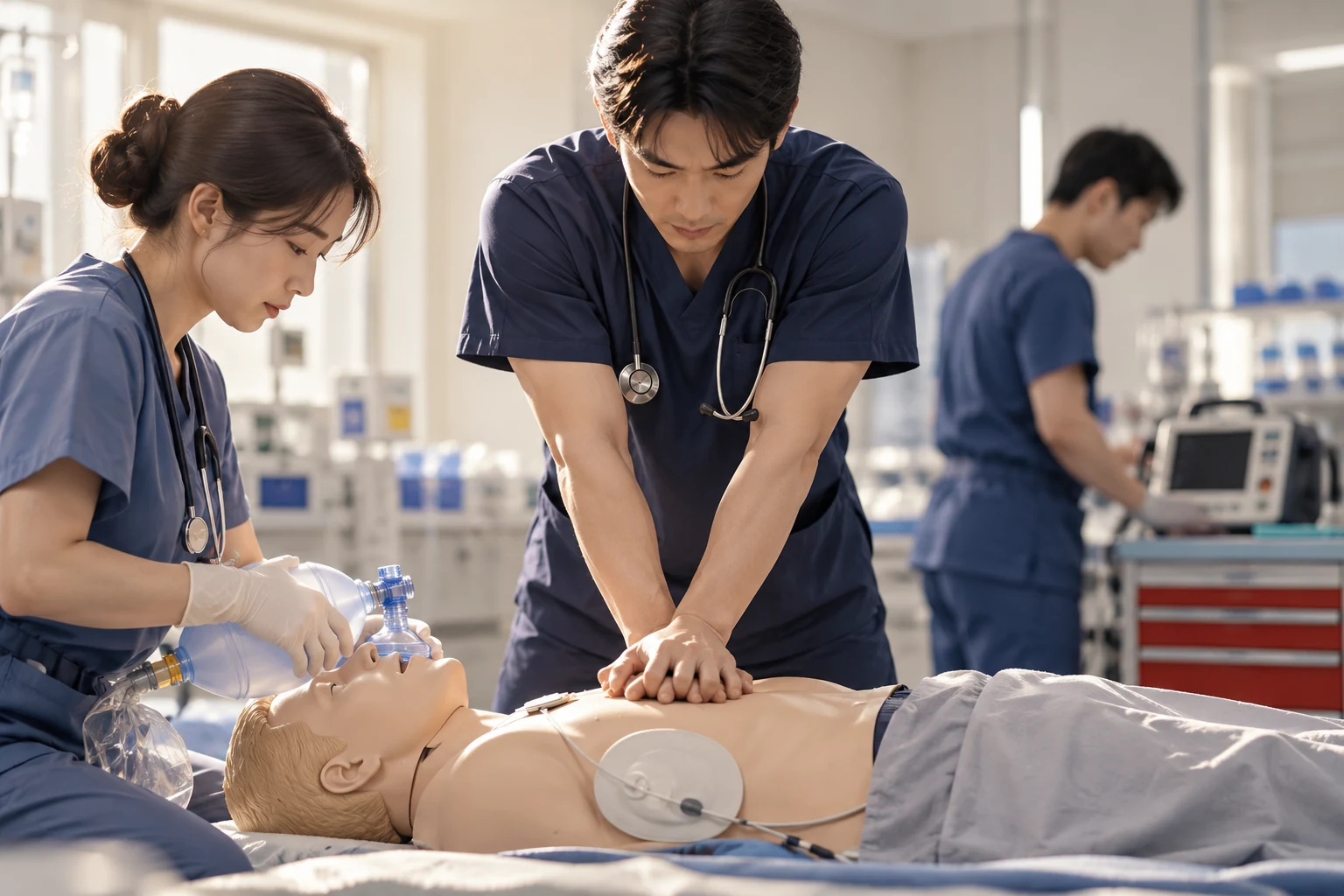
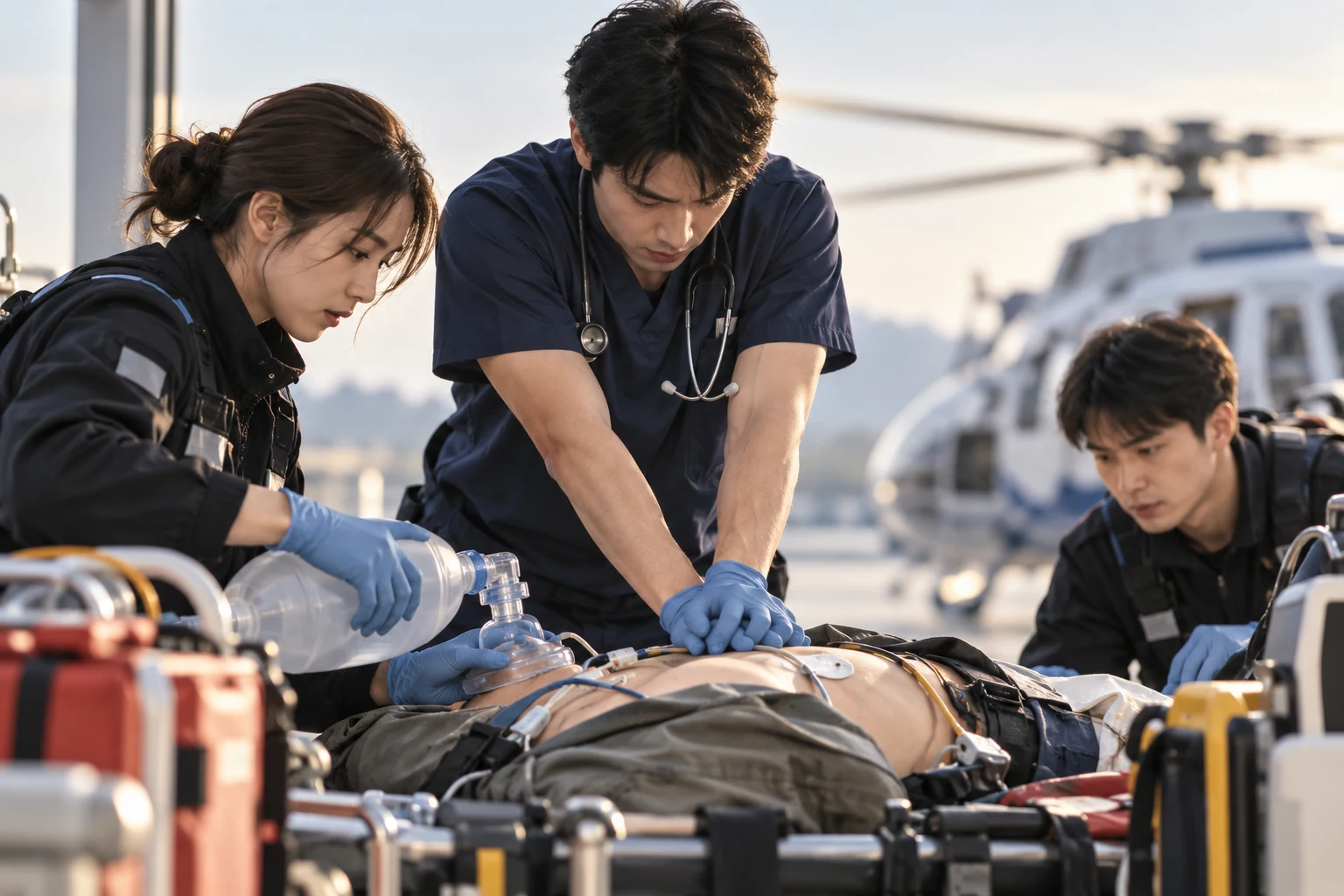
Paediatric resuscitation is a key skill for anyone in medicine who is involved in the care of children. Basic and advance paediatric life support courses are crucial in teaching those skills nationwide in a way that is memorable, protocolised and standardised. These courses are vital in the dissemination and upkeep of both theoretical and practical knowledge of paediatric resuscitation, with their primary aim being the return of spontaneous circulation. While sustaining life is important, preserving a life with quality, one with good functional and neurological outcomes should be the gold standard of any resuscitative attempt. Good neurological outcomes are dependent, in large part, on how well the postresuscitation stage is managed. This stage does not start in the intensive care unit, it starts at the point at which spontaneous circulation has been reinstated. The aim of this paper is to provide a basic overview of the main strategies that should be followed in order to minimise secondary brain injury after successful resuscitation attempts.
Source and rights
Published by Archives of disease in childhood. Education and practice edition, 2025. The guideline itself is at the source linked here.
Prognia summarises this guideline for reference and education. It is not medical advice. Always check the official guideline and current local protocols before acting on it.
At a glance
- Published
- 2025
- Applies to
- 🇪🇺 Europe
- Scope
- Regional
- Journal
- Archives of disease in childhood. Education and practice edition
More in emergency medicine
- ESR Essentials: Trauma Team and the Role of Interventional RadiologyCardiovascular and Interventional Radiological Society of Europe (CIRSE) · 2026
- Guidelines for Essential Trauma Care: Second Edition (2026)International Association for Trauma Surgery and Intensive Care (IATSIC) and the World Health Organization (WHO) · 2026