
Loading your page…
Loading your page…
Published by FDI World Dental Federation
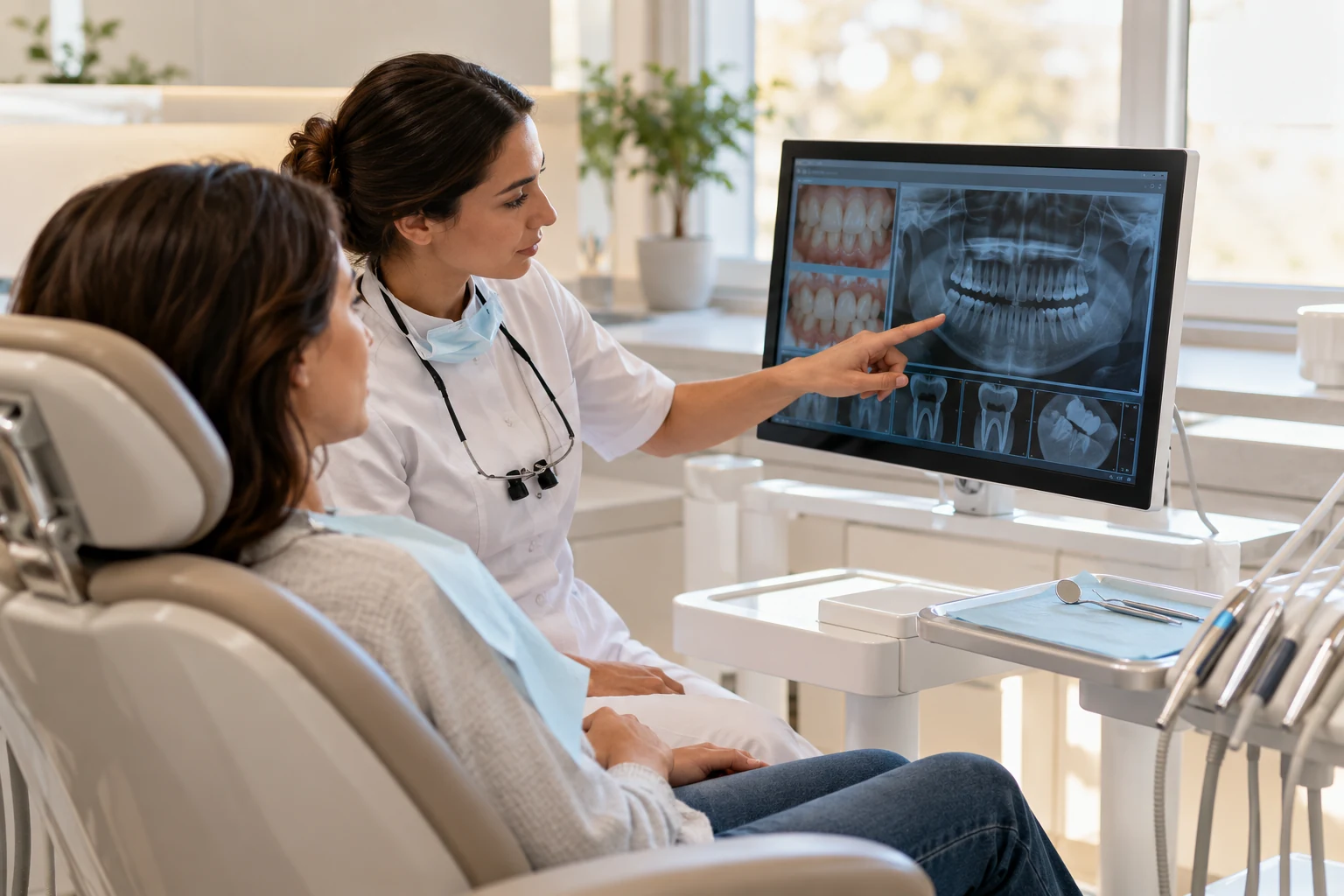
An FDI World Dental Federation policy statement outlining the objectives, potential benefits, and key principles (trust, equity, wider research value, interoperability, and multidisciplinary development) for implementing and integrating Electronic Health Records (EHRs) in oral healthcare.
Key Takeaways
Ensure trust and confidence. EHRs store confidential data; access to and transmission of these data should be secure and purpose related, including defined and enforceable access rules. EHRs should track any changes made after they were originally written.
Foster equity and accessibility. The usage of EHRs should facilitate WHO’s Universal Healthcare and Health for All approach, and should not perpetuate or aggravate existing social or medical inequities. Patients should be able to access their EHRs without any significant hurdles. Providers should be adequately trained to use EHRs judiciously, being aware of the various objectives involved when employing them, as well as the need for adhering to local data protection legislation.
Consider the wider value of EHRs when developing, acquiring and using them. EHRs will play a pivotal role for a data-driven oral health research model, allowing better and safer, highly efficient, individualized care. Similarly, health surveillance and public health management will increasingly rely on EHR data. Models should be developed and implemented to encourage patients to provide their data for public research and surveillance while ensuring transparent data use and robust anonymisation/de-identification. In case of commercial research and development efforts, data donors should benefit from their data being used.
To facilitate data-driven care and public health, EHRs should use a common data model and ensure interoperability and accessibility. The oral health community should support initiatives around standardisation and adhere to and enforce standards like Fast Health Interoperability Resources (FHIR, https://fhir.org) or Digital Imaging and Communications in Medicine (DICOM, https://www.dicomstandard.org).
Assess the impact of EHRs and their usage on relevant stakeholders. There is a great need for interdisciplinary development teams to ensure that those who use EHRs can do so efficiently and with confidence. Similarly, development and maintenance costs for EHR systems should be considered. The integration of oral health information into shared electronic health records is essential to support coordinated, person-centered care and to recognise oral health as an integral component of overall health.
Regularly evaluate EHR systems to assess their sustained impact on patient information, administration, data quality and clinical efficiency.
Clinical Topic
Electronic Health Records
Objectives
This policy statement outlines the use of EHRs, the potential advantages and risks of using them as well as principles the oral health profession, including clinicians, care administrators, and researchers, and policymakers should adhere to when establishing, implementing and integrating EHRs or legislating on them.
Target Patient Population
Oral health patients
Target Providers
Therapeutic Area
Oral HealthGuideline Scope
Care Settings
Monitoring Guidance
Regularly evaluate EHR systems to assess their sustained impact on patient information, administration, data quality and clinical efficiency.
Difficulty
intermediate
Learning Paths