
Abstract / Summary
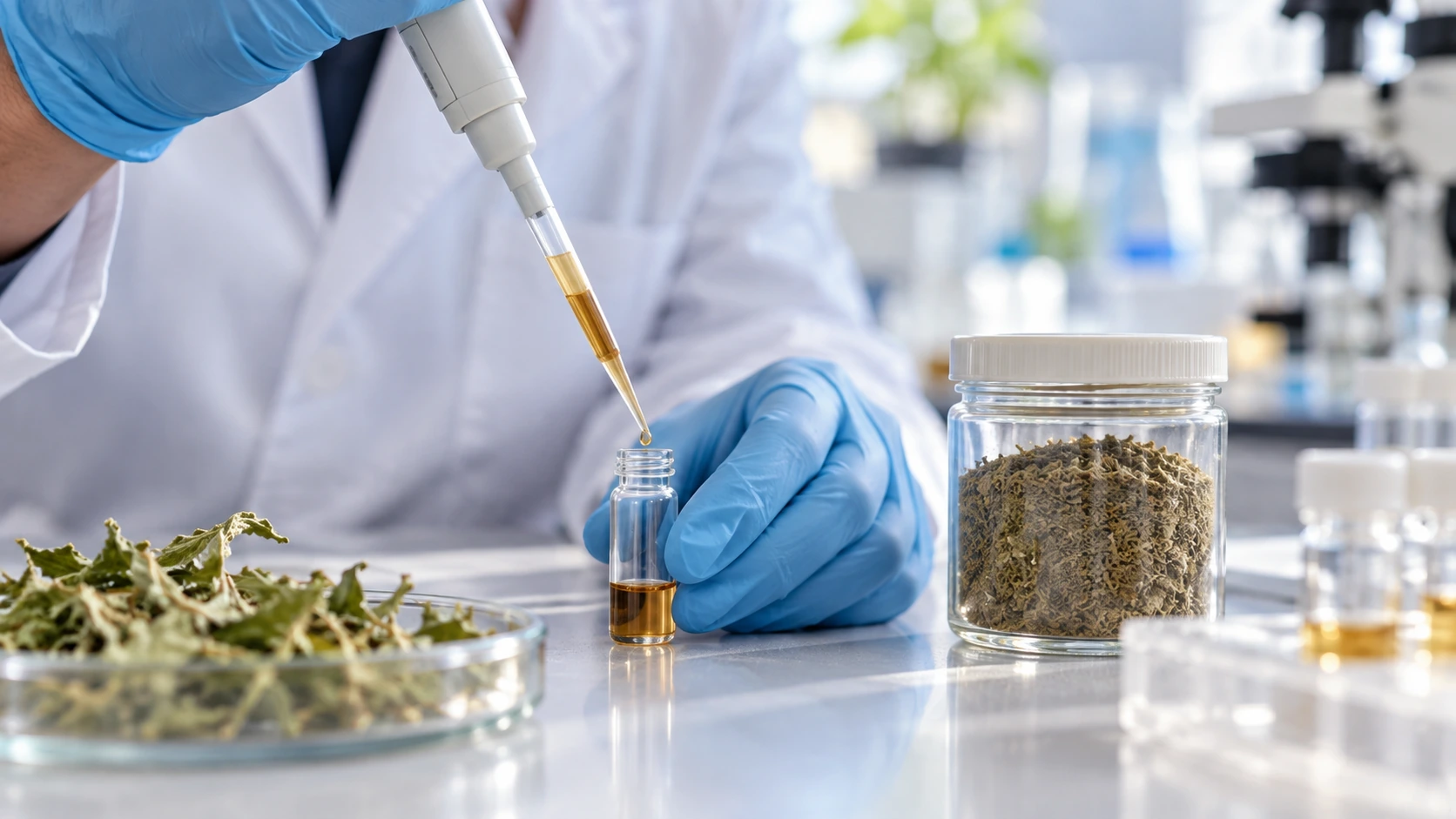
Abstract With the increasing prevalence of diabetes mellitus (DM), there is growing interest in affordable plant-derived products with potential antidiabetic activity. Chenopodium murale L. (CM) contains bioactive phytochemicals with reported antioxidant and metabolic effects, but its in vivo antidiabetic and renal biochemical effects remain insufficiently characterized. This study evaluated a 70% aqueous methanolic extract of CM in alloxan-induced diabetic rats using glibenclamide as a standard comparator. Thirty-six albino rats were randomly allocated into six groups ( n = 6 per group): normal control, diabetic control, glibenclamide-treated diabetic rats, CM 200 mg/kg-treated diabetic rats, CM 400 mg/kg-treated diabetic rats, and non-diabetic rats treated with CM 200 mg/kg. Body weight, fasting blood glucose, serum urea, creatinine, and total protein were assessed during a 21-day treatment period. Both CM doses reduced fasting blood glucose by day 21 compared with diabetic controls and attenuated diabetes-associated body weight loss. Serum urea and creatinine were lower in CM-treated diabetic rats, while total protein showed improvement. Acute oral toxicity testing revealed no mortality or visible signs of toxicity at doses up to 2000 mg/kg. These findings indicate that 70% aqueous methanolic CM extract has antidiabetic activity and favorable effects on renal biochemical parameters in alloxan-induced diabetic rats.